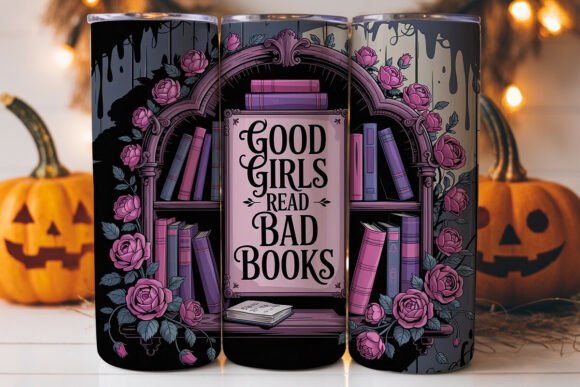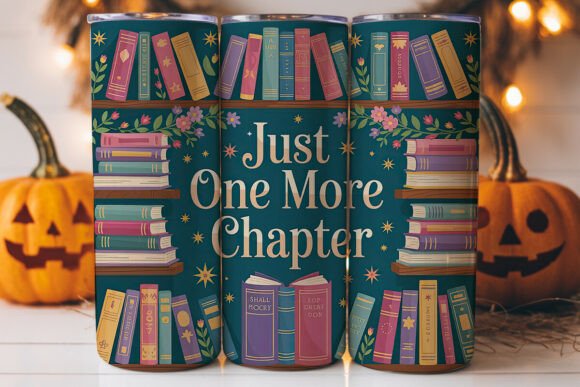
Magical Bookshelf 20oz Tumbler Wrap
As a designer with years of experience in embroidery and digital graphics, I’ve seen my fair share of designs that look great on screen but fall flat when stitched. The Magical Bookshelf 20oz Tumbler Wrap is one that stands out for its charm and potential—but it’s not without its considerations. Let me walk you through how this design performs in real-world use and what it means for your projects.
The First Impression: A Whimsical Scene
The Magical Bookshelf 20oz Tumbler Wrap immediately evokes a sense of wonder. The design features a detailed bookshelf filled with books, a glowing lamp, and a few whimsical elements that suggest a cozy reading nook. The layout is balanced, with enough visual interest to draw the eye without feeling cluttered. It’s a design that feels like it belongs in a fantasy-themed project or a personalized gift for a book lover.
The transparent background PNG file makes it easy to place on various surfaces, whether it’s a tumbler, a tote bag, or a custom sweatshirt. However, since it’s not an SVG for cutting, it’s important to remember that this is purely a machine embroidery design meant for stitching, not for physical cutting or applique.
Real-World Use: Where It Fits Best
This design shines on larger, flat surfaces where the details can be clearly seen. A tote bag design, for example, would give ample space to showcase the intricate elements of the bookshelf. Similarly, a sweatshirt embroidery project could feature the design as a statement piece, especially if the fabric is light-colored and smooth.
It also works well for baby items, such as onesies or blankets, where the soft, magical theme can add a touch of whimsy. For holiday or wedding gifts, the design offers a unique, personalized touch that can elevate a handmade product from ordinary to memorable.
However, it’s not ideal for small hoop sizes or curved surfaces like caps. The level of detail may not translate well to tight spaces, and the stitch density could become too dense, leading to puckering or distortion on stretchy or thin fabrics.
Stitching Considerations: What You Need to Know
When working with the Magical Bookshelf 20oz Tumbler Wrap, it’s essential to test the design on scrap fabric first. This will help you gauge how the stitches interact with different textures and colors. For instance, on dark fabrics, the design may appear less vibrant, so choosing the right thread colors is crucial.
The design includes areas with satin stitch and fill stitch, which are great for creating depth and dimension. However, the stitch density might require additional stabilizer, especially on delicate or stretchy materials. If you’re planning to use this for commercial embroidery, make sure the design is compatible with your machine and that the hoop size is appropriate.
For small shop products or Etsy listings, the design’s visual appeal can significantly impact buyer engagement. A well-stitched, clear design can increase the perceived value of your finished product and build customer trust. But if the details are lost in translation, it could lead to dissatisfaction and negative reviews.
Where to Be Cautious: Potential Pitfalls
One thing to watch out for is the design’s performance on textured or thick fabrics. The intricate details might not show up as clearly, and the stitching could become uneven. Additionally, if you’re planning to use this on a layered garment or a curved surface, you’ll need to adjust your technique accordingly.
Small lettering or decorative accents within the design may not hold up well under frequent washing. It’s wise to advise customers on proper care instructions, especially if the design is part of a custom apparel or personalized gift.
Since this is a digital embroidery file, always check the licensing terms before selling finished items or using the design in commercial projects. Even though the product description mentions sublimation and t-shirt use, it’s best to confirm any restrictions or requirements directly with the seller.
Practical Designer Notes: Tips for Success
Before committing to a project, here are some key steps to take:
- Test on scrap fabric: Always try the design on a sample piece to see how it looks and behaves.
- Check thread color contrast: Ensure the thread colors work well with the fabric and the design’s intended mood.
- Review stitch density: Adjust the settings if the design is too dense or too sparse for your project.
- Confirm hoop size: Make sure the design fits within your hoop dimensions without being cropped.
- Inspect small details: Zoom in on the design to ensure all elements are clear and well-defined.
- Test black and white mockups: This helps assess how the design will look on different backgrounds.
- Compare light and dark fabrics: Some details may not show up as well on darker materials.
- Use proper stabilizer: Especially important for delicate or stretchy fabrics.
- Verify licensing: Confirm that the design is suitable for both personal and commercial use.
Final Thoughts: A Design Worth Exploring
The Magical Bookshelf 20oz Tumbler Wrap has a lot to offer, especially for those looking to create whimsical, personalized items. Its detailed layout and charming theme make it a strong choice for tote bags, sweatshirts, and baby items. However, it’s not a one-size-fits-all solution.
As with any embroidery design, success depends on how well it’s adapted to the specific project. By taking the time to test, adjust, and consider the fabric and stitching requirements, you can turn this design into a standout piece that resonates with your audience.